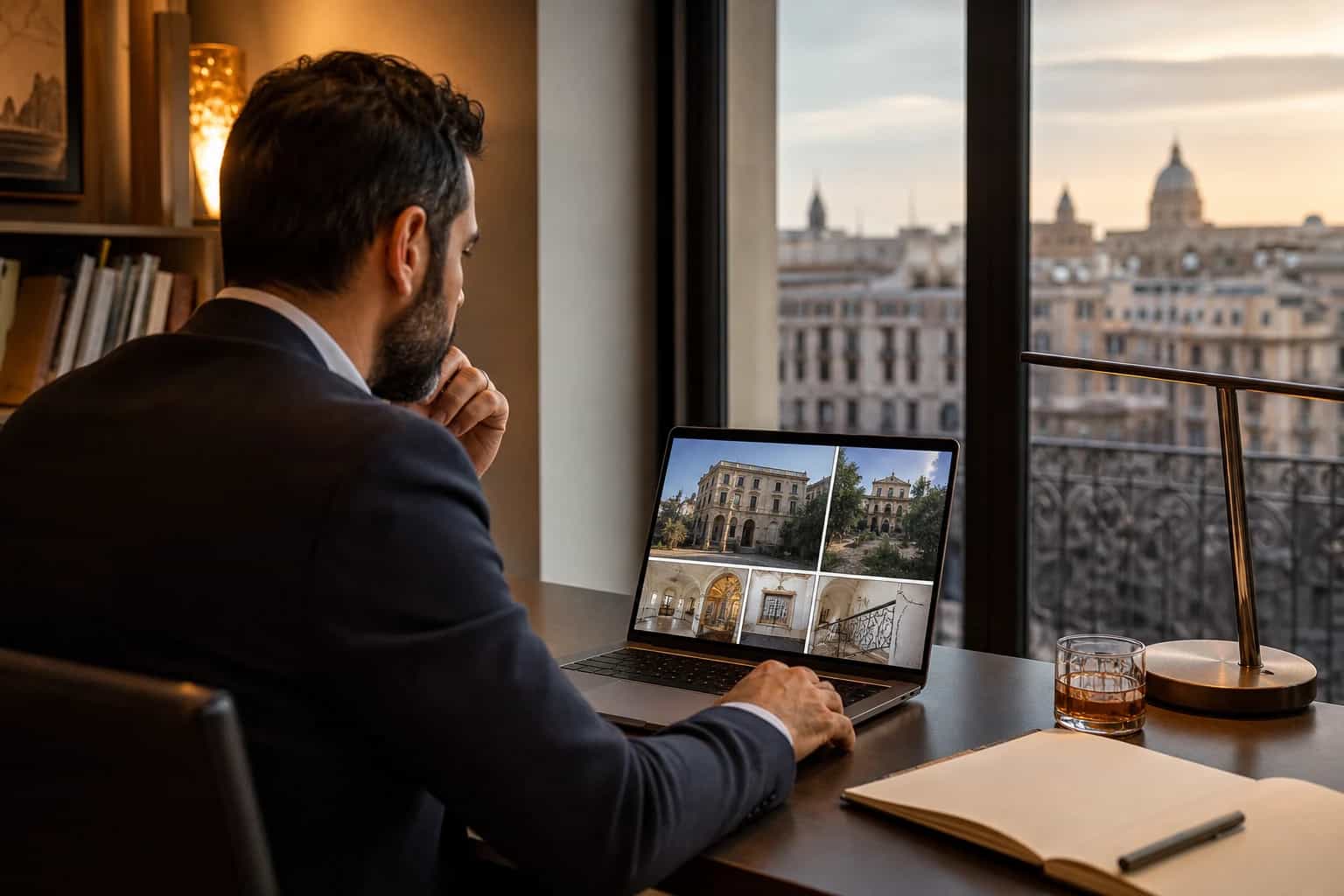

A Syrian property does not pause because you live elsewhere
The apartment in Mazzeh, the family villa in the suburbs, the flat you inherited but have not opened in a year — each one keeps aging on its own schedule. Filters clog, terrace drains fail after the first winter rains, and an empty home loses humidity control faster than an occupied one. Distance turns those small failures into expensive surprises discovered on a rushed summer visit.
Most diaspora owners already know someone who holds keys. What they lack is a system: when to visit, what to inspect between trips, who writes it down, and who services plant and finishes before a stain spreads through marble or joinery. Managing a property from abroad is not about micromanaging every trade — it is about building a rhythm you can trust from Germany, the Gulf, or North America.
This guide sits after property handover and before any renovation brief. It is for owners who need eyes on an asset — not a full construction programme — and want visits, reports, and maintenance to work as one programme rather than three disconnected favours.
Visits that protect the asset — not only reunions
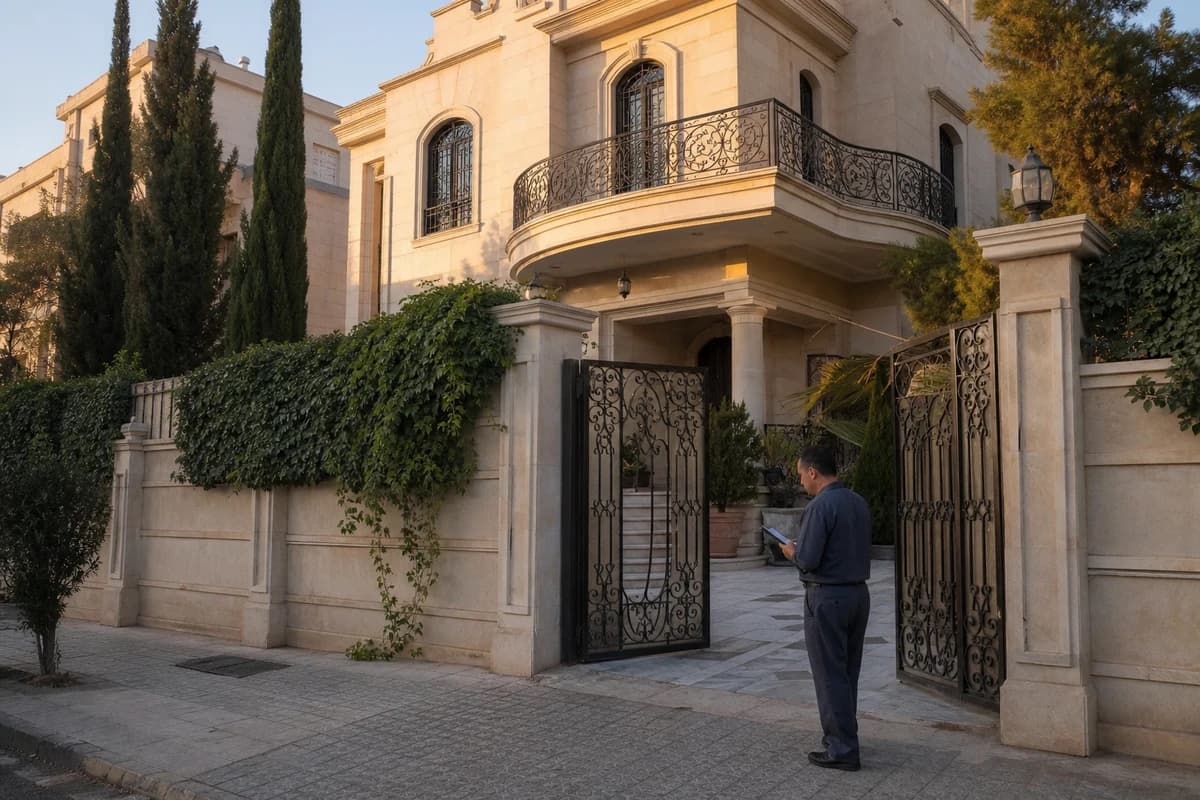
A visit home is emotionally loaded. Family, paperwork, and a packed suitcase leave little room for a disciplined walkthrough. Yet the most expensive maintenance mistakes appear when owners assume a quick look around is the same as a property inspection. They notice the refreshed living room and miss the condensate tray, the swollen skirting in a guest wet room, or the terrace door that no longer seals.
Separate reunion time from inspection time — even by a few hours on different days. Bring or request the last visit log, walk the same route each trip, and photograph labelled locations you can compare with reports received while abroad. If you visit twice a year, one trip can focus on family and one on asset review; if you visit annually, book a retained inspection within six months of departure.
Owners who cannot align trips with risk seasons should pair visits with scheduled property inspection between travels — especially before peak summer cooling load and after winter rains on terraces and roof edges.
Reports that replace guesswork between trips
WhatsApp photos from a cousin are better than silence — and still easy to misread. Useful reports answer three questions: what was seen, where it sits on a maintenance plan, and what decision you must make before the next visit. Each pack should carry dates, room labels, and a clear split between monitor, schedule, and urgent.
Monthly or quarterly written reports suit most unoccupied luxury homes. They should align with the same viewpoints each cycle — entrance, main living zones, wet rooms, plant areas, and exterior elevations — so you compare like with like. Video walkthroughs help at seasonal changeovers; still photos with labels are enough for routine care when nothing structural is open.
For the media standards that make remote review trustworthy, see HYMRO's photo and video construction reports guide — the same labelling discipline applies to maintenance packs, not only renovation programmes.
Store reports where siblings, spouses, and future property managers can access them. Overseas Syrians often share financial responsibility; a single searchable archive beats screenshots scattered across family chats.
How to manage property in Syria from abroad — the maintenance rhythm

To manage property in Syria from abroad reliably, treat maintenance as a calendar — not a memory. Unoccupied homes need tighter HVAC and humidity awareness than occupied ones. Filters, condensate lines, generator test runs where fitted, and periodic stone and joinery care belong on schedule even when nobody is sleeping there.
Match intensity to use. A villa opened each summer differs from a locked apartment visited once a year. A property rented between your trips needs handover discipline at each tenant change. The rhythm should name visit frequency, trade access rules, spend thresholds for emergencies, and who approves works above an agreed limit.
Retained property services programmes bundle inspection, preventive maintenance, and coordinated repairs under one coordinator — the model most diaspora owners need once ad-hoc help stops scaling.
Property inspection and preventive maintenance for empty homes
Property inspection for an unoccupied asset is not a purchase survey. It confirms that systems behave, finishes are stable, security is intact, and nothing is leaking quietly behind closed doors. Increase frequency when the home is empty — monthly or bi-monthly visits catch pest entry, irrigation faults, and humidity build-up that occupied homes reveal through daily use.
Preventive maintenance priorities mirror occupied luxury homes but with sharper empty-home risks: standing water in traps, stagnant HVAC, unchecked roof drains, and joinery swelling when dehumidification stops. Align tasks with Damascus seasons — pre-summer HVAC service, post-rain envelope checks, pre-winter generator and heating tests where systems exist.
For a seasonal villa checklist owners can adapt, see the preventive maintenance plan for a Damascus villa — then adjust frequency upward when the property sits vacant most of the year.
Property handover records and local representatives
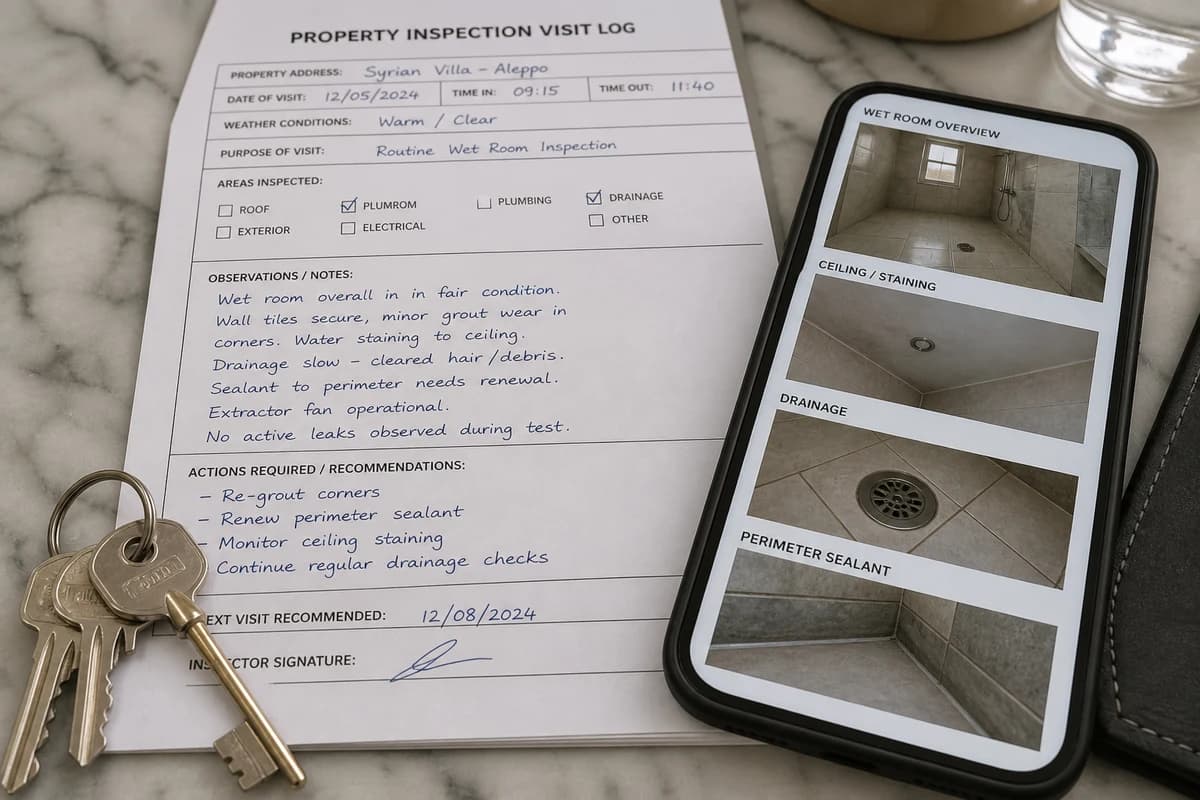
Property handover documents are the baseline for every maintenance decision that follows — snag status, MEP notes, warranty contacts, filter sizes, and care guidance for stone and joinery. Without that pack, even a diligent local representative is guessing. If handover files are thin after a recent build or renovation, rebuild them on the first retained visit: photograph plant, label valves, and store digitally where more than one family member can open them.
Local representatives work best with written authority: access only, approval up to a cash limit, or full instruction on emergencies. Ambiguity causes delays when a trade waits for a sign-off that never arrives — or worse, unauthorised works that you discover months later. One coordinator on the property-services side should own the narrative to you, not a chain of relatives each interpreting urgency differently.
When renovation is the honest answer — not another service visit
Maintenance preserves what is sound. Renovation resets what has failed systemically — failed waterproofing, undersized electrical boards, chronic moisture paths, or finishes that repeatedly fail in the same zones. Owners abroad sometimes fund years of reactive call-outs because nobody wrote down that the wet room needs rebuild, not another sealant pass.
If inspection findings point to systemic failure, close the care ticket and open a scoped renovation proposal. HYMRO's maintenance vs renovation guide helps separate honest care from capital works — the fork overseas owners most often miss when distance blurs recurring spend.
When HYMRO should run the overseas care programme
Brief HYMRO when the property is high-value, frequently empty, recently handed over, or already showing repeat failures between your visits. A retained programme also suits owners who want one bilingual contact, photo evidence they can review abroad, and clear escalation when works exceed a maintenance threshold.
Send city, property type, occupancy pattern, last inspection date, who holds keys, and whether a family representative needs a defined approval limit. Start through contact — HYMRO can propose inspection cadence, preventive maintenance, and reporting rhythm before you commit to a full visit.