

Why should a Damascus construction timeline be built in stages?
A construction timeline Damascus teams can defend is not a single end date on a proposal. End dates without stages invite improvisation: trades overlap, materials arrive too early or too late, and owners argue about progress without a shared definition of "done". Clear stages turn calendar pressure into measurable gates.
The useful question is not "How many months?" alone. It is "Which stages exist, what unlocks each one, and what evidence closes it?" That discipline protects budgets when Damascus site conditions, landlord access, or procurement lead times shift the programme.
This playbook is timeline-led. It complements HYMRO's wider construction project management framework but focuses on how to structure stages so owners, supervisors, and contractors read the same calendar.
Should stages follow the scope of work or a hopeful finish date?
Stages only work when they map to the scope of work. If the written scope still hides MEP packages, finish grades, or exclusions inside vague allowances, the timeline will invent work mid-programme. Fix the scope boundaries first, then sequence the stages that deliver them.
Use a controlled construction scope of work document as the backbone: each stage should reference specific deliverables, hold points, and what is intentionally left outside the stage. Without that link, a Gantt chart becomes decoration.
Owners comparing proposals should align stage definitions before comparing durations. Two programmes that both claim "six months" are not comparable if one treats first-fix MEP as a named gate and the other buries it inside "works".
What does a clear Damascus stage structure look like?
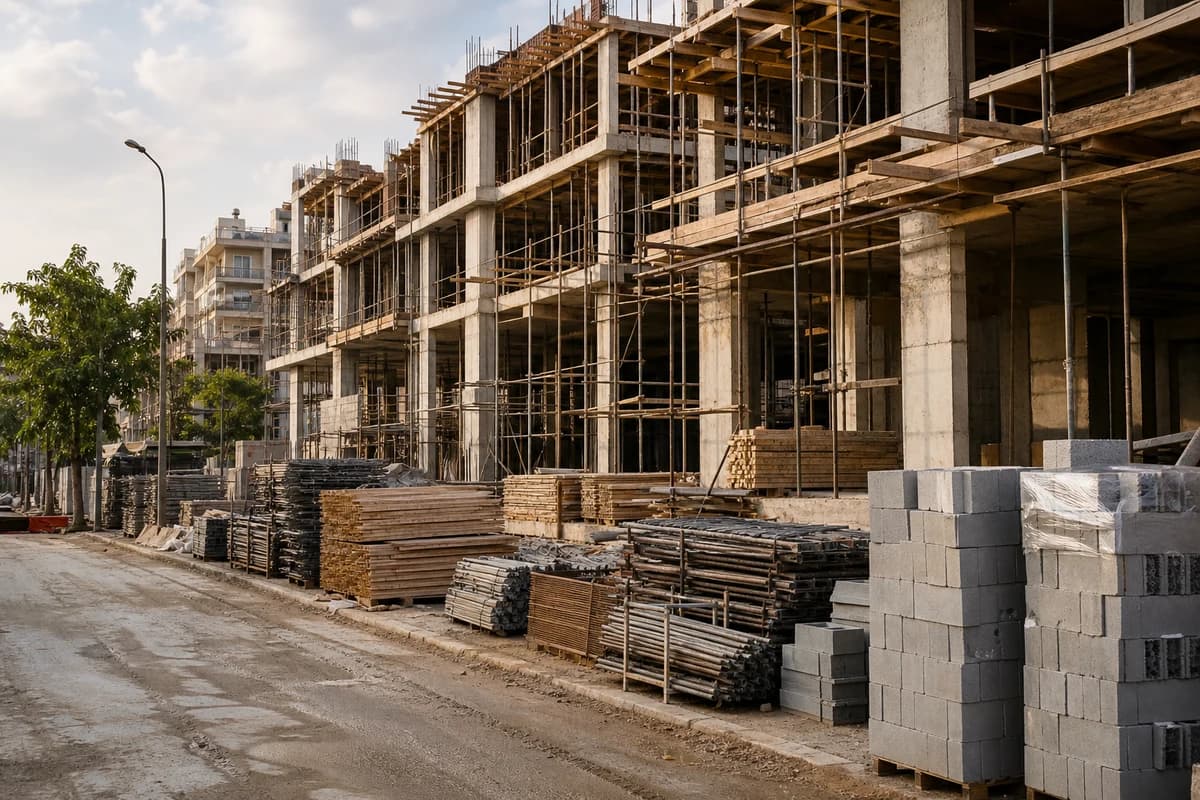
Stage 1 — Brief, survey, and programme baseline: confirm access, existing conditions, landlord rules, and a dated baseline programme. Stage 2 — Mobilisation and protection: site set-up, temporary works, and neighbour or building protocols. Stage 3 — Demolition or strip-out where required, with photo evidence before concealment.
Stage 4 — Structure and openings: any structural adjustments or partitions that change the shell. Stage 5 — First-fix MEP: routes, boards, drainage, HVAC provision — inspected before ceilings and finishes close. Stage 6 — Second fix and finishes: plaster, floors, joinery, lighting, and wet rooms. Stage 7 — Testing, snagging, and project handover documentation.
Not every Damascus project needs every stage at the same intensity. A soft apartment refresh may compress strip-out; a villa or commercial shell may expand structure and MEP. The rule is consistency: name the stages you will use, then refuse silent skips.
How do float and Damascus site realities change a timeline?
Healthy timelines include float — spare time for weather, late deliveries, inspection repeats, and access constraints common in occupied Damascus buildings. A programme with zero float looks decisive on paper and fragile on site.
Map dependencies explicitly: finishes cannot start while first-fix MEP is open; joinery installs wait on floor levels; commissioning waits on power and water. When a dependency slips, construction management should show the knock-on path rather than quietly compressing later stages until quality fails.
Procurement lead times belong on the timeline, not in a side chat. Stone, sanitaryware, doors, and mechanical equipment often decide whether Stage 6 is honest. Late approvals are timeline events — treat them as such.
What site-supervision evidence unlocks each stage?
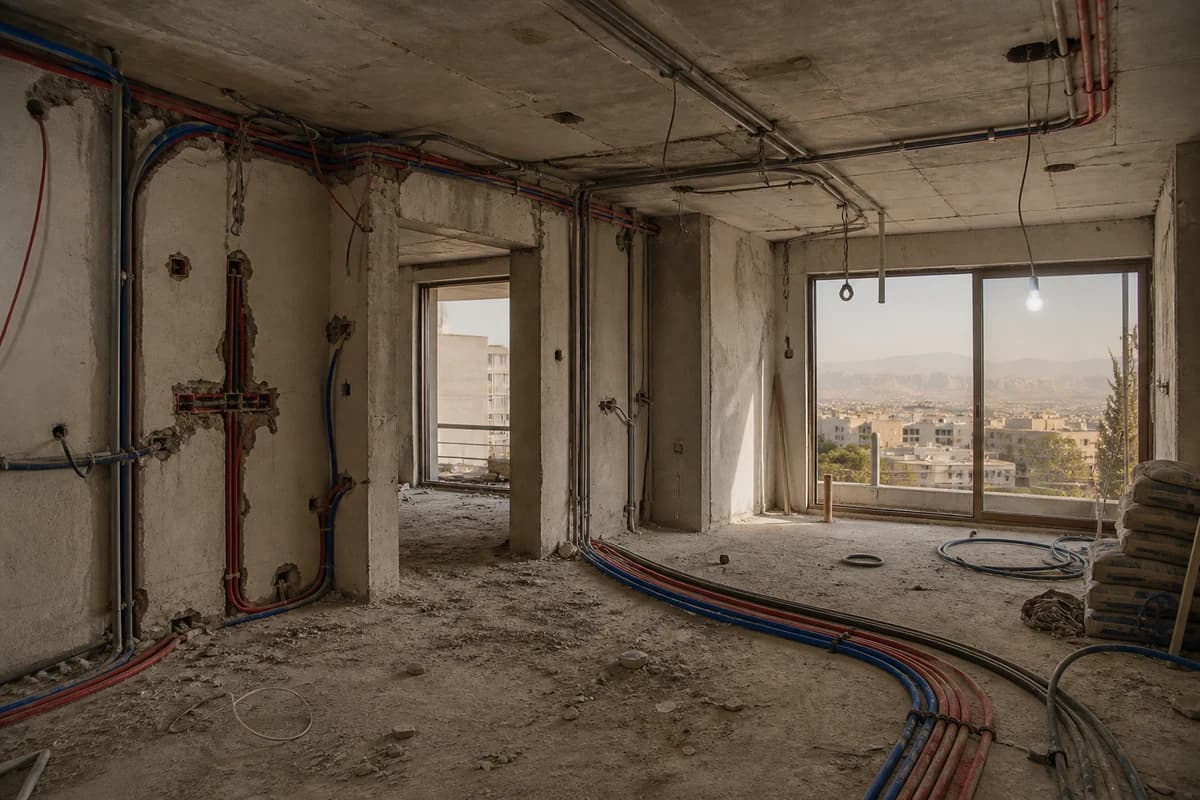
Site supervision is how stages become real. Each gate should require evidence: photos by zone, marked drawings, inspection notes, and a short written sign-off before the next layer covers the work. Without that, stages collapse into continuous "almost finished" language.
Hold points worth naming on a Damascus timeline include survey complete, strip-out closed, first-fix inspected, waterproofing tested where relevant, finish samples approved, systems commissioned, and snag list issued. The supervisor enforces the gate; the programme records the date.
HYMRO's project management approach ties those hold points to reporting so owners see evidence, not only activity.
How does construction-management reporting keep the timeline honest?
Construction management turns the staged calendar into a weekly truth check. Reports should state which stage is active, what percentage of that stage is complete against agreed criteria, which hold points are open, and which decisions are blocking the next gate.
Avoid vanity metrics such as "overall 70% complete" without stage context. Seventy percent of finishes while MEP remains open is not seventy percent of the programme. Stage-based reporting prevents that ambiguity.
For remote owners, align reporting rhythm with HYMRO's process expectations: photo evidence, variation logs, and milestone decisions dated against the baseline programme.
What stage checklist should you complete before a public end date?

Before publishing an opening, move-in, or handover date, confirm: stages named and sequenced; scope of work mapped to each stage; hold points listed; critical procurement dates on the calendar; float identified; responsibility for each gate assigned; and change-control rules agreed for slips.
If any of those lines is missing, treat the end date as provisional. A clear construction timeline Damascus stakeholders can trust prefers an honest baseline with named risks over a confident date that no stage logic supports.
Re-baseline openly when major scope changes land. Quietly absorbing weeks of extra work into the same finish date is how programmes lose credibility.
Why is project handover the final stage, not an afterthought?
Project handover deserves its own stage on the timeline: snag classification, systems testing, as-built notes, warranties, care guidance, and keys or access transfer. Bundling handover into "finishes complete" leaves owners with a beautiful site and incomplete records.
Schedule time for snag closure before celebrating practical completion. Blocking defects close before handover; non-blocking items need dated commitments and a named contact after the site demobilises.
When you are ready to set a staged programme, share location, scope maturity, target use date, and whether approvals will be remote via contact. HYMRO can then structure stages, supervision gates, and handover evidence around a timeline you can actually manage.