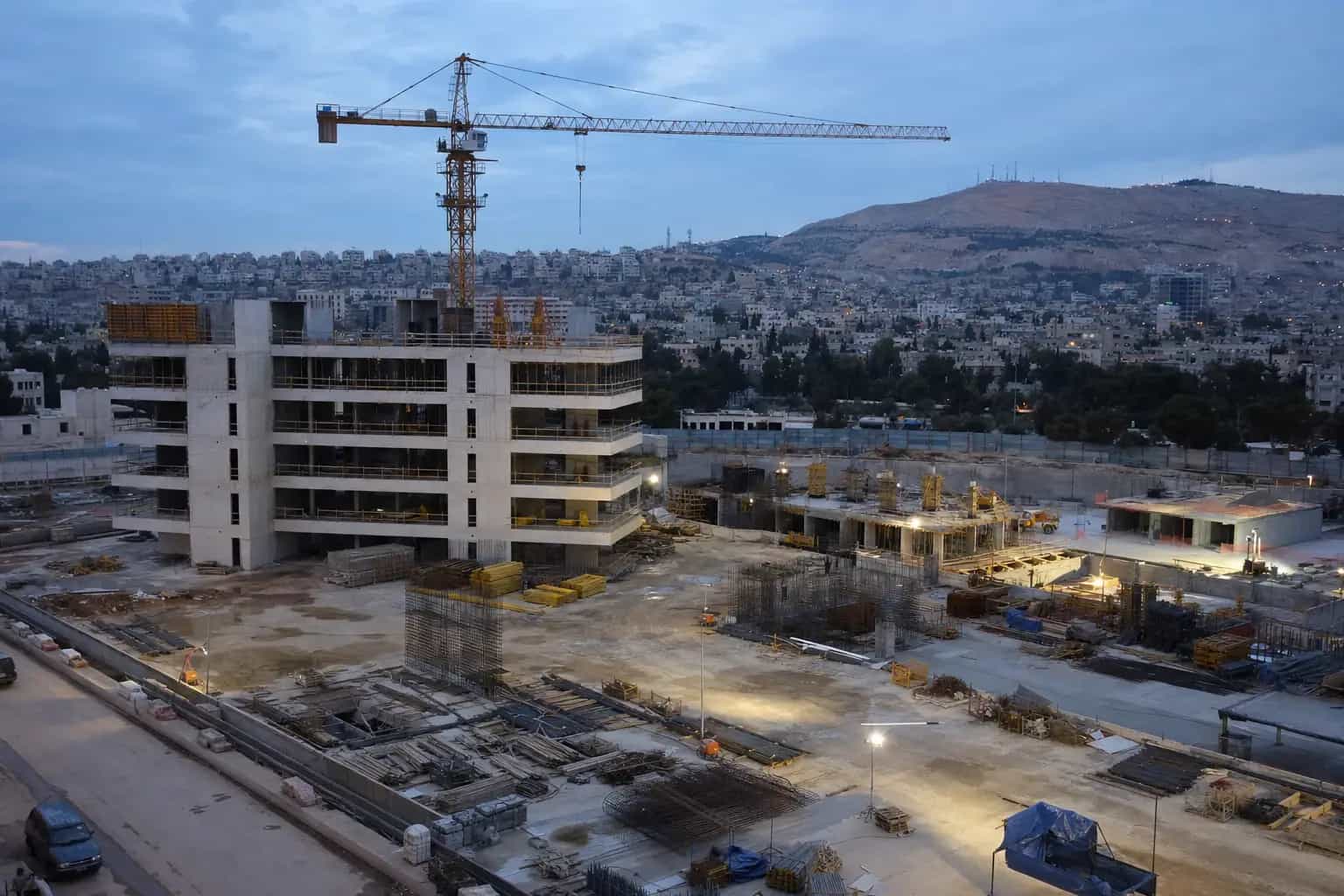

Construction project management in Syria starts with four controls
Construction project management in Syria starts with a written scope of work, milestone gates, site supervision hold points, and documented project handover — not a headline quote or informal WhatsApp oversight. Those four controls are what keep money, sequence, and quality aligned when materials move slowly, trades overlap, and owners approve from abroad.
A single total price feels decisive, but it does not tell you when cavities may close, who may stop non-conforming work, or how a finish change will be priced and recorded. Construction management turns intent into a programme you can defend: measurable packages, inspection gates, a reporting rhythm, and a handover pack that outlasts the site team.
This article is a practical construction project management guide for Syria — how owners structure delivery — not a substitute for appointing a manager. For role boundaries between delivery and owner-side control, see contractor vs project manager in Syria.
Lock the scope of work before deposits leave the account
The scope of work is the measurable contract between intent and delivery. It should list inclusions and exclusions — structure, MEP packages, finish grades, external works, furniture, and any landlord or authority interfaces — with drawings or marked surveys attached. Vague stone, joinery, or mechanical allowances are where disputes begin once trades are on site.
Pair the scope with a milestone payment schedule: slab cast, first-fix complete, ceiling closed, second fix signed off. Overseas owners should treat scope approval as a gate — no deposit until exclusions, provisional sums, and approval turnaround times are written. For drafting language owners can reuse, read how to write a construction scope of work in Syria.
When comparing construction management proposals, align supervision hours, reporting frequency, and variation procedures before comparing fees. Two quotes with different hold-point definitions are not comparable until those terms match.
Milestone programme from mobilisation to practical completion
Phase 1 — Mobilisation and site setup: establish access, welfare, material storage, and safety routines. Confirm survey data, issue the programme baseline, and register the snag-tracking system you will use through handover.
Phase 2 — Substructure and structure: complete foundations, frame, and envelope to weather-tight standard where applicable. Hold inspection points before closing cavities or pouring slabs that bury services.
Phase 3 — First-fix MEP and rough works: route services, set out partitions, and complete backing works before plaster and ceiling grids commit the layout. Photo evidence at this stage prevents costly reopening later.
Phase 4 — Second fix and finishes: plaster, flooring, joinery, kitchens, bathrooms, and external landscaping. Batch finish approvals into milestone packs for remote owners rather than item-by-item messages.
Phase 5 — Testing, commissioning, and practical completion: run systems checks, resolve snags, and agree the defects period before final project handover. Do not accept keys without a closed or scheduled snag list.
Site supervision hold points that stop work when sequence breaks

Site supervision is more than presence on site — it is the authority to stop work when sequencing breaks down. Supervisors should coordinate daily trade interfaces, log delays with cause, and enforce hold points at structure, first-fix MEP, and pre-ceiling close. Without that discipline, finishing trades start before services are tested and rework follows.
On residential and commercial programmes across Syria, effective supervision also manages procurement reality — confirming lead times, inspecting deliveries against specifications, and rejecting non-conforming materials before installation. That protects the scope of work you approved at the start.
Ask any project management partner how supervisors are assigned, how escalations reach you within 24 hours, and whether weekly site meetings produce written minutes. Verbal coordination alone does not survive a multi-month build. Representative villa programmes such as the Damascus villa restoration show how marble, joinery, and MEP upgrades sit under one supervised sequence with milestone reporting — not informal photo dumps.
Remote reporting rhythm for construction management abroad
Construction management for diaspora owners depends on a predictable reporting rhythm — not ad-hoc updates when problems surface. Agree the cadence in writing: weekly photo packs labelled by zone, milestone summaries with percent complete against programme, open risks, and a single channel for approval requests with stated turnaround times.
Video walkthroughs at hold points often resolve questions faster than static images alone — especially when reviewing marble slabs, joinery mock-ups, or MEP routing before boards close. The overseas Syrians page outlines how HYMRO structures that communication. The representative diaspora family residence pattern shows weekly packs and milestone approvals used when owners cannot walk the site.
Separate financial approvals from technical approvals where possible. A change to stone grade should not be buried inside a generic progress invoice. Construction management works when variations carry cost, time, and scope impact before work proceeds.
Variation control before extras become site instructions
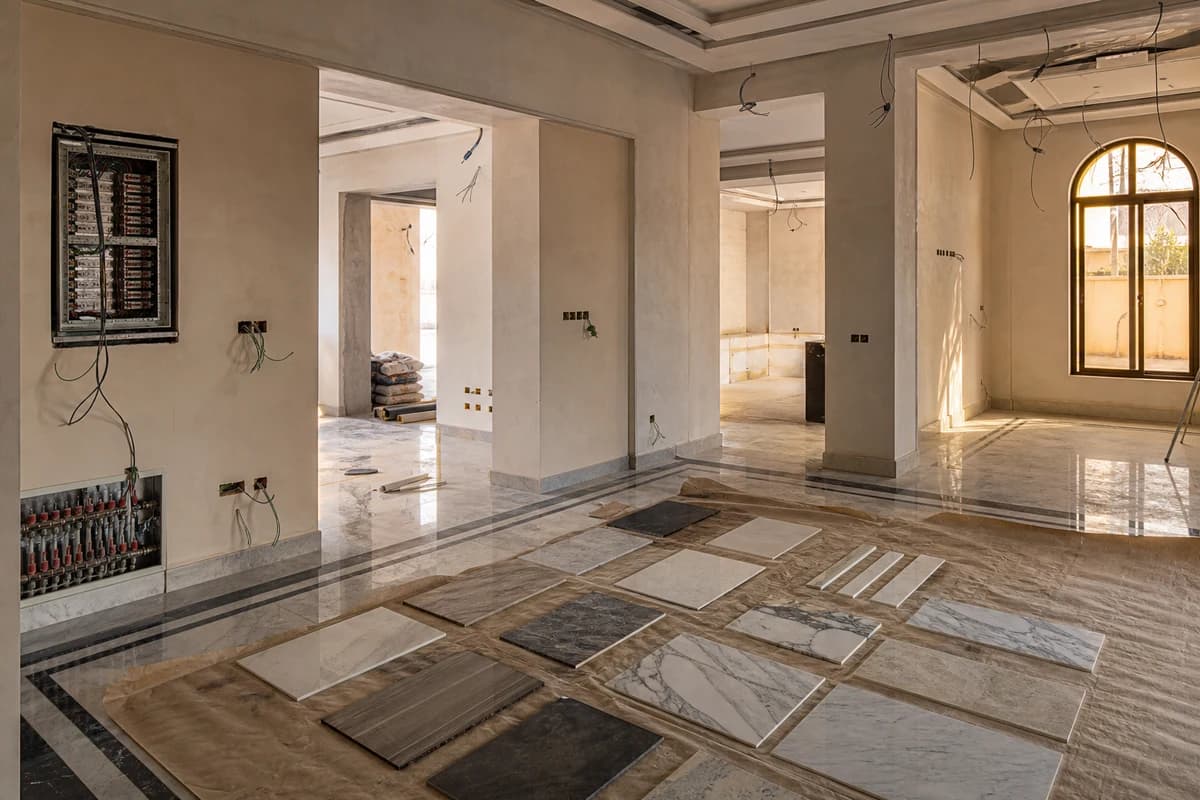
Long programmes fail when finish decisions and scope changes scatter across months. Group approvals by milestone — wet rooms, kitchen package, flooring, joinery — and issue sample boards or mock-up corners for sign-off before full installation.
Variations should reference the original scope of work line they modify, with priced options and programme impact written before trades move. Owners abroad need this trail; verbal extras are where trust erodes. For the instruction format owners should insist on, see construction change orders in Syria.
When finishes arrive on site, supervision should confirm batch consistency against approved samples before wide installation — particularly stone, tiles, and veneer lots that can vary between deliveries.
Project handover packs that close the programme
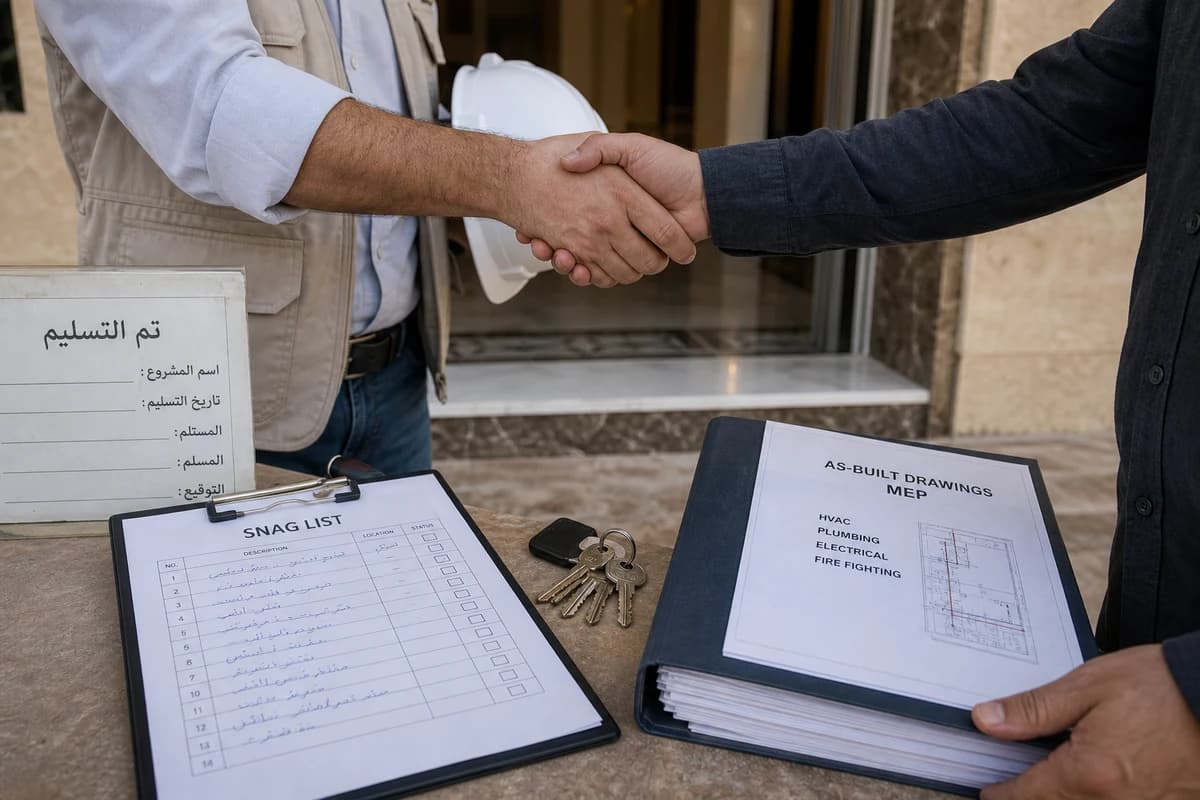
Project handover is not a single meeting — it is a document set. Expect snag lists with owners and dates, as-built notes for MEP, warranty contacts for plant and equipment, commissioning records where applicable, and care guidance for stone, wood, and mechanical systems. Photograph resolved and outstanding items at the handover walkthrough.
Practical completion should trigger a defined defects period with a clear process to log items. Overseas owners should receive the same handover pack digitally — not only keys collected by a local representative without shared records. For how to run the closing inspection list, see the snag list guide for Syria.
Strong project handover protects asset value after construction management ends. Store records where diaspora family members and future property managers can access them years later.
Send a brief and photos for a managed programme review
Begin with location, project type, current site condition, target timeline, and whether you will approve milestones remotely. Floor plans, photos, or a short video walkthrough accelerate a relevant scope conversation.
HYMRO's process page walks through consultation, scoped proposal, supervised build, and handover. For dedicated construction management support — supervision, reporting, and milestone governance — see the project management service. This guide explains the method; the service page is where you appoint delivery support.
When you are ready, send your brief and site photos via contact or WhatsApp for a managed programme review — hold points, reporting rhythm, and next steps once site context is clear.