

Property redevelopment in Damascus starts with the opportunity, not the mood board
Property redevelopment Damascus owners usually face is less glamorous than a finish catalogue. An older flat, courtyard house, or mid-rise unit may look ready for marble and joinery — yet the real question is whether the upgrade opportunity is sound. Redevelopment here means a deliberate reset of space, services, and finishes so the asset performs for how the family will actually use it, not a cosmetic refresh that paints over unresolved risk.
Evaluation comes before design. Location, building constraints, moisture history, electrical and plumbing capacity, wet-room condition, and intended occupancy decide whether you should maintain, selectively upgrade, or rebuild major zones. Skipping that step turns a promising Damascus address into a sequence of change orders and unfinished rooms.
This guide is an Asset Care decision tool. It sits beside maintenance versus renovation in Syria and the priorities guide for renovating an older Damascus apartment. Use it when you need a clear yes, no, or phased answer on the upgrade opportunity itself.
What a property inspection must prove before you commit capital
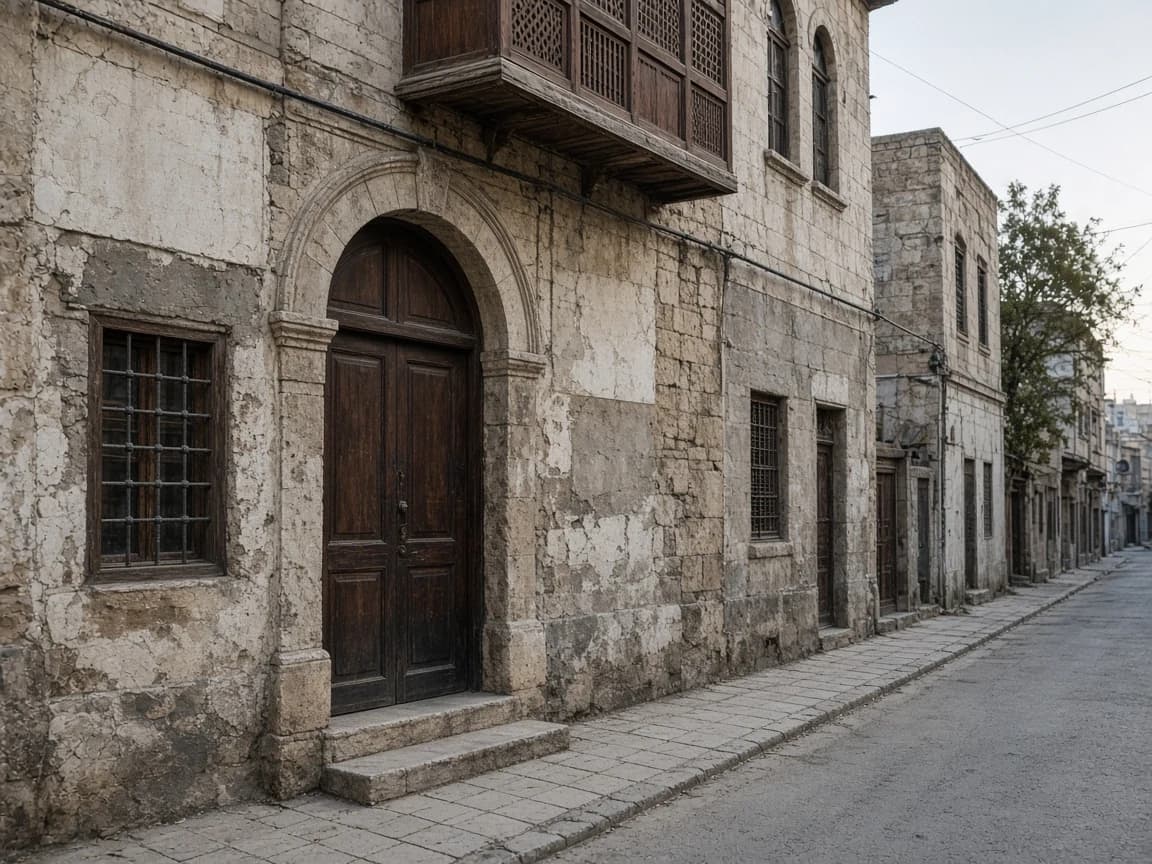
A credible property inspection is the first gate. Ask for labelled photos, moisture and wet-room notes, board and plumbing observations, balcony and roof interfaces where accessible, and a plain ranking of urgent, recommended, and monitor items. Without that evidence, every quotation is a guess dressed as a plan.
Purchase inspections and redevelopment inspections ask different questions. Buyers need suitability and negotiation leverage. Owners already holding the keys need sequence and contingency: which substrates can take new finishes, which wet rooms must be rebuilt, and which shared building rules will limit working hours, lifts, and waste routes.
For a room-by-room Damascus survey structure, use HYMRO's property inspection Damascus checklist — then return here to translate findings into an upgrade path rather than a generic works list.
Three upgrade paths: maintain, selective upgrade, or full-zone rebuild
Keep three paths separate in writing. Maintain when structure, waterproofing, and service capacity are sound and finishes respond to care. Selective upgrade when layout or wet rooms need a controlled reset while the rest of the property stays. Full-zone rebuild when moisture, MEP, or end-of-life finishes make a light package dishonest.
Mixing paths inside one vague lump-sum quotation hides risk. Preventive maintenance cannot permanently fix failed waterproofing. A salon paint package cannot rescue an undersized electrical board. Write which zones sit on which path so family decision-makers approve the same brief.
When the path tips toward rebuild, HYMRO's luxury renovations programmes treat corrective works and finish packages as one controlled scope. When care is still honest, retained property services protect value without opening every wall.
When is an older Damascus property a genuine upgrade opportunity?
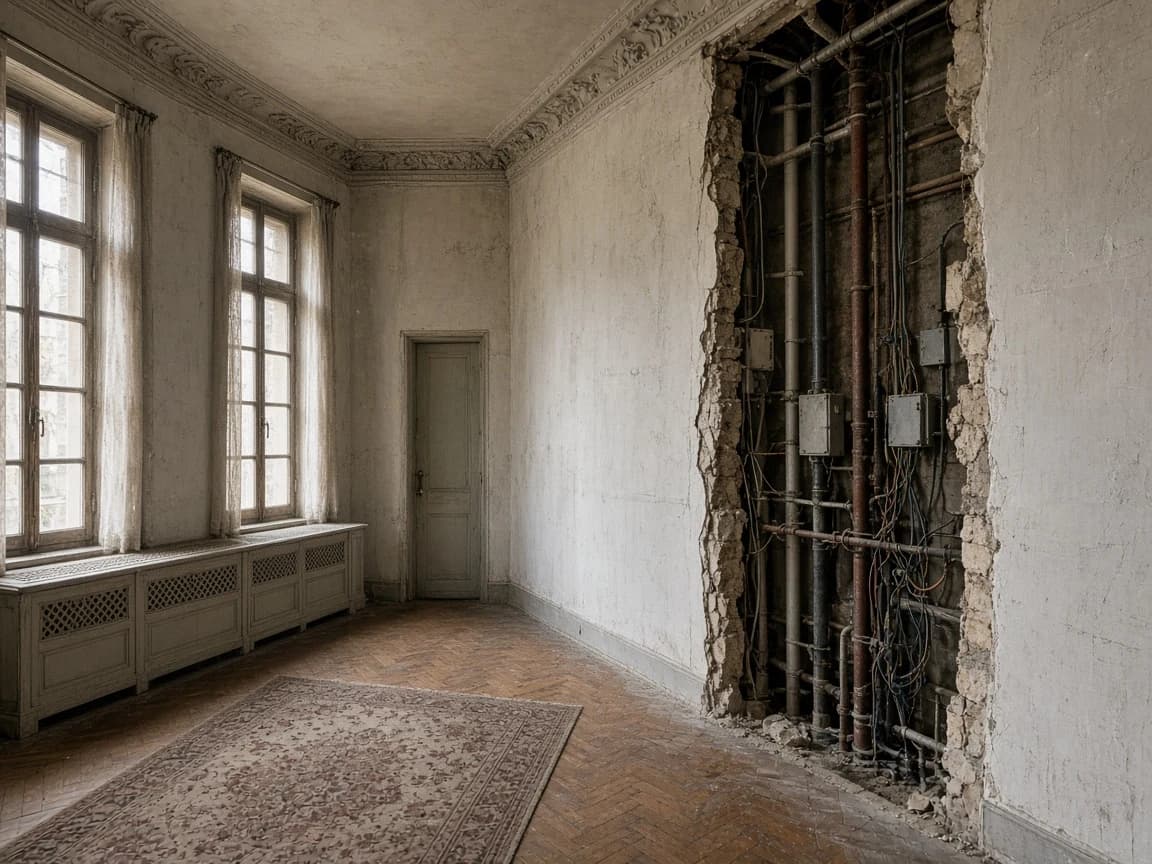
A genuine opportunity usually shows three signals together: usable location and access, a fabric that can accept modern services without heroic structural work, and a clear future use — family return, rental readiness, or long-term holding. Strong stone shells, recoverable proportions, and dry upper floors are encouraging. Chronic stack leaks, undocumented partial works, and repeatedly failing wet rooms are warnings.
Opportunity is not the same as "cheap to buy". Purchase price only helps if remediation and finishing costs remain within a range you can fund and manage. Factor neighbour interfaces, shared risers, lift booking, and the cost of temporary living arrangements into the same note as stone samples.
Case studies such as HYMRO's Damascus villa restoration show how older Damascus stock can repay careful sequencing — survey, corrective works, then finishes — when the shell and brief align.
Practical evaluation checklist before you approve a redevelopment brief
Write a one-page evaluation before any finish board is approved. Record intended use and occupancy, inspection date and access limits, urgent defects, recommended upgrades, zones proposed for maintain versus rebuild, rough contingency for hidden wet-room and MEP works, and a next review date. That page is the decision artefact — not a mood board PDF.
Test the brief against honest constraints. Can the electrical board support the planned AC and kitchen loads? Do bathroom falls and waterproofing need rebuild before stone? Will corridor protection and quiet hours allow the programme you are pricing? If answers are unknown, price opening-up and diagnostics as stage one — not as a surprise mid-finish.
Reject briefs that skip baseline evidence, merge maintenance and rebuild into one vague line, or promise decorative completion dates before services and waterproofing are settled. A disciplined evaluation protects capital and keeps later site reports comparable week to week.
After the upgrade: preventive maintenance and a clean property handover
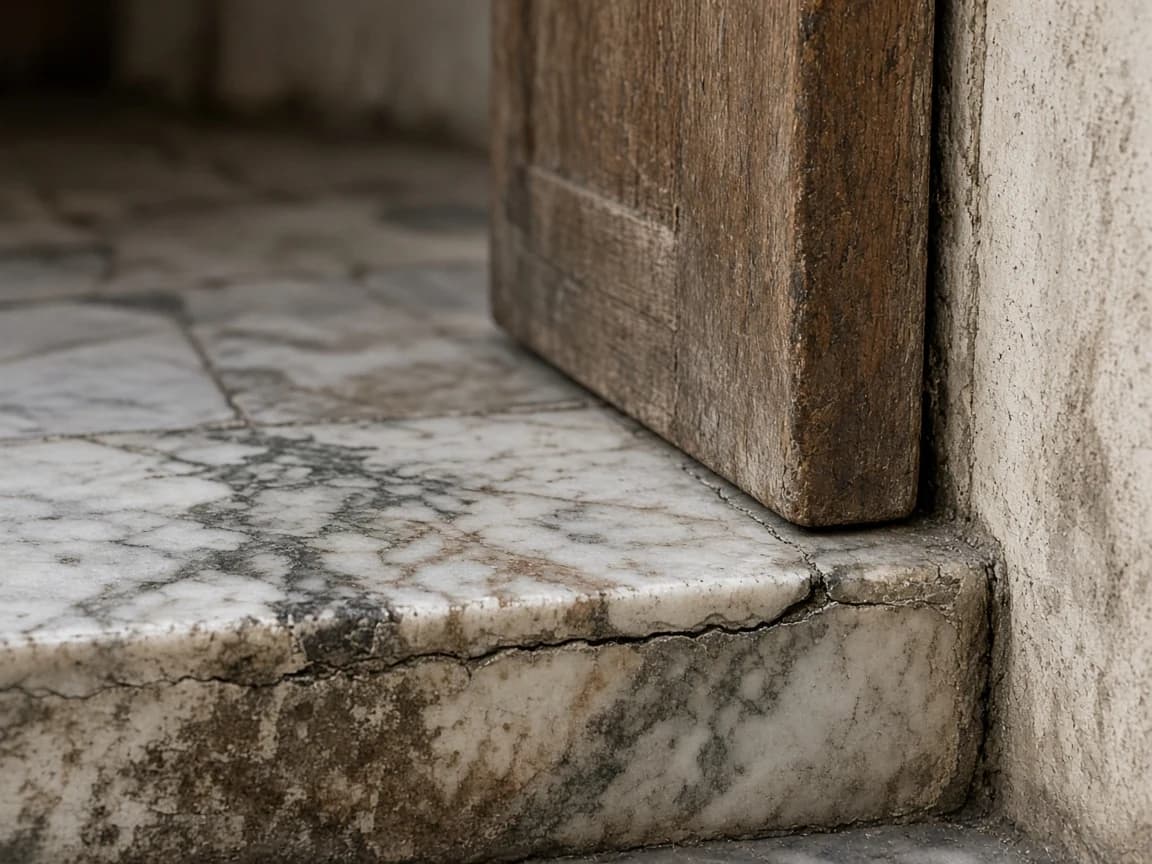
Redevelopment only holds value if care starts at acceptance. Preventive maintenance — filters, seals, drainage clearing, stone and joinery care, and scheduled MEP servicing — should be written into the same programme that delivers finishes, not invented six months later when stains appear.
Property handover should leave you with more than keys. Ask for snag status, as-built notes for routes that changed, care guidance for stone and timber, warranty windows, and labelled photos of closed works. That file becomes the baseline for future property services and stops every later stain looking like a new renovation trigger.
Owners abroad should insist on the same handover pack they would demand if they were on site. Pair it with a retained care calendar so the upgraded asset does not slide back into reactive call-outs — start from contact when you want inspection, upgrade scoping, and aftercare under one accountable team.
When HYMRO should evaluate the upgrade with you
Brief HYMRO when the property is older or partially renovated, when family members disagree on maintain versus rebuild, or when you need a written path that separates care, selective upgrade, and full-zone redevelopment. Independent triage is cheaper than discovering systemic moisture after stone is booked.
Share photos, known defects, occupancy plans, and any previous property handover records. HYMRO can recommend an inspection-led evaluation, a sequenced renovation scope, or a property services plan that protects the asset without overbuilding the brief — through the same about HYMRO delivery approach used on residential projects across Damascus.