What property maintenance services Damascus owners need after handover
Handover is not the end of risk for a Damascus home. Dust settles differently on new stone, HVAC cycles change with seasons, and small drainage faults appear only after the first winter rains. Property maintenance services Damascus owners rely on should turn that reality into a named support package — not a promise to "call if something breaks".
This guide is location-led. It sets out what post-handover support typically includes for apartments and villas in Damascus: scheduled inspection, MEP servicing, finish care, response rules, and records. It is deliberately different from a Syria-wide maintenance philosophy piece or a villa-only seasonal checklist.
For the broader care principles after acceptance, see property maintenance in Syria. Use this article to test whether your Damascus support scope is complete enough to protect what the build team just delivered.
Damascus conditions that shape post-handover support
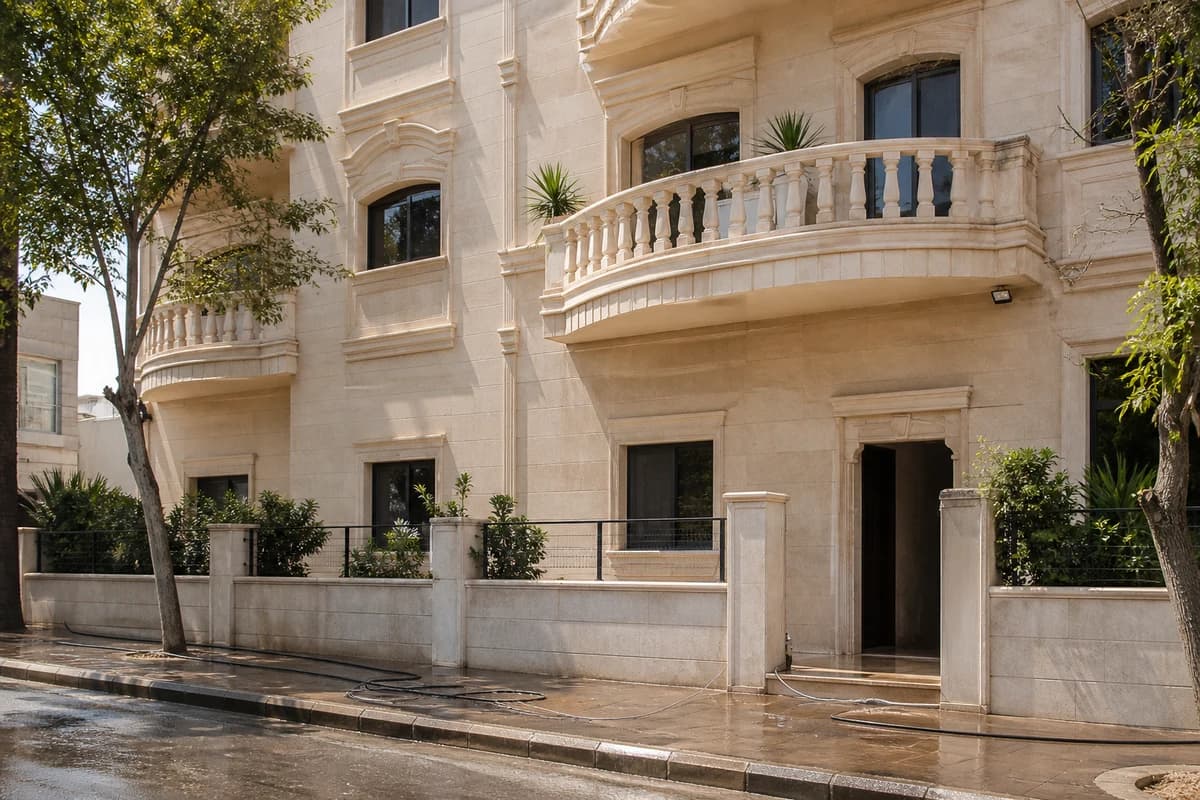
Damascus stock ranges from tower apartments with shared services to courtyard villas with exposed terraces and mature planting. Support after handover must respect building access hours, lift rules, neighbour protocols, and whether the property is occupied full-time or left quiet between family visits.
Climate and urban dust matter. Filters clog faster, balcony drains silt, and stone needs cleaning methods that do not etch finishes. A credible package names exterior checks for facades, gutters, and thresholds — not only interior polish.
If the property sits in an occupied block, maintenance visits should include protection of shared corridors and waste removal timing. Those logistics belong in the service brief so they are not discovered on the first visit.
What a post-handover support package should include
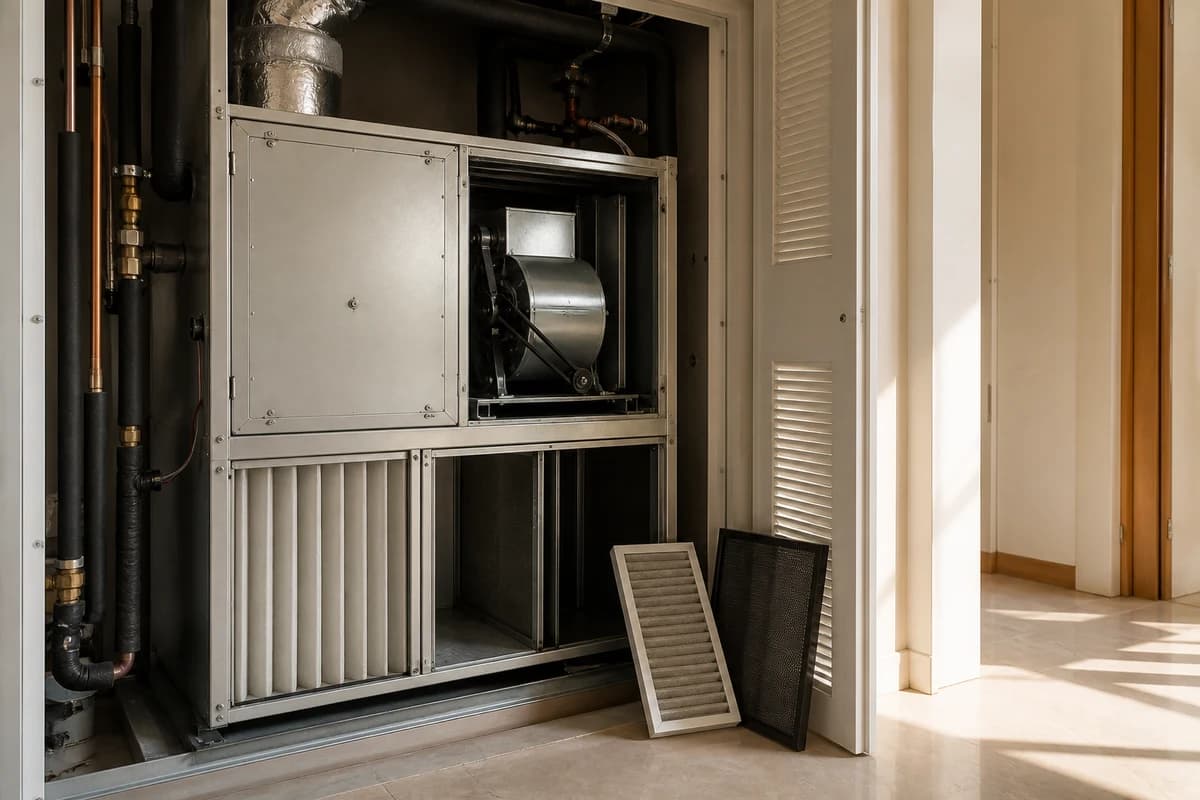
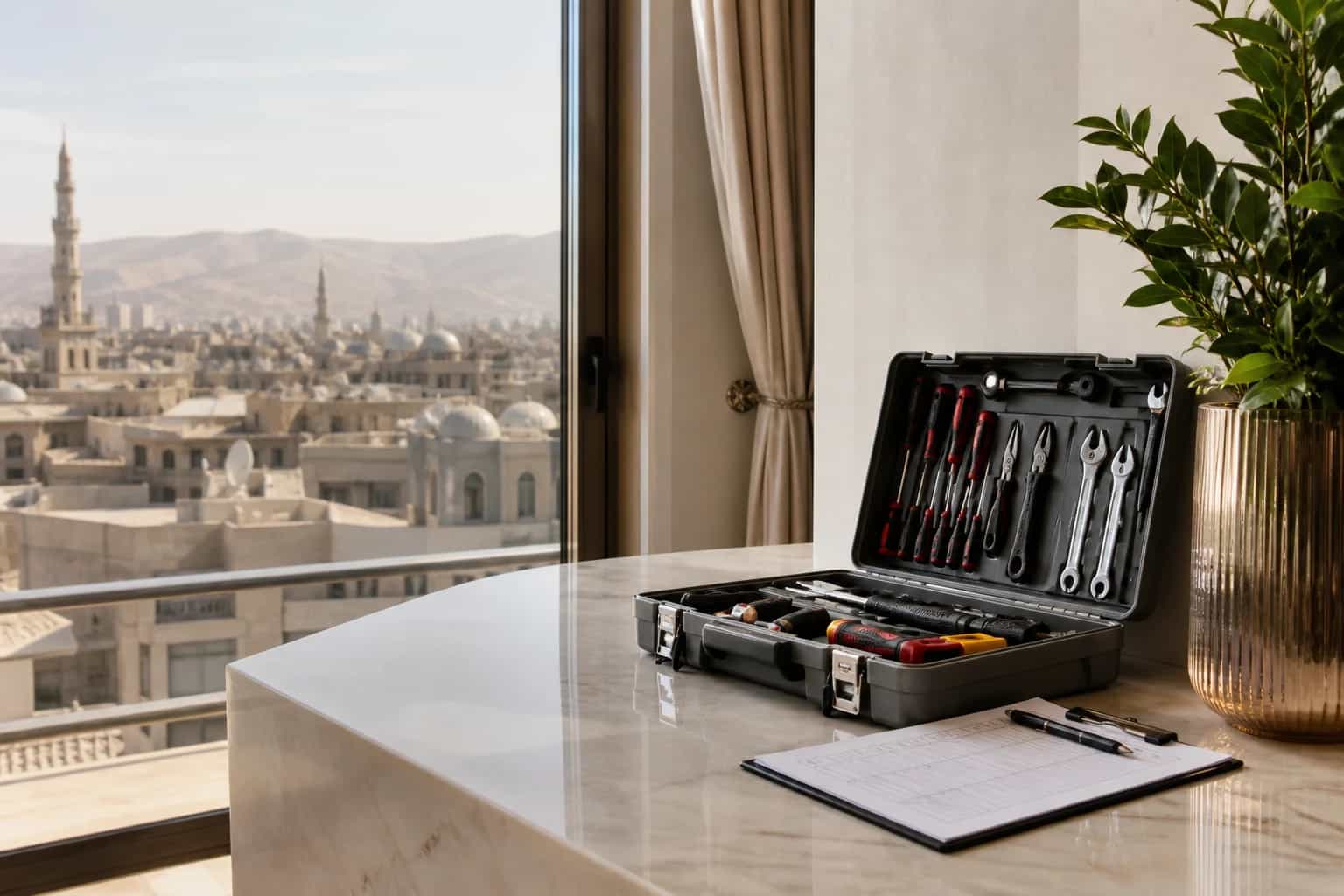
A clear package usually covers: baseline inspection soon after keys; seasonal or quarterly visits; MEP filter and condensate checks; water points and drainage review; hardware and joinery adjustment; stone and timber care guidance; photo reporting; and a written log of actions and follow-ups.
Emergency response should be defined separately: what counts as urgent, expected response windows, and who authorises spend above a set threshold. Without that line, every leak becomes a negotiation while damage spreads.
HYMRO delivers this through property services so retained care sits beside — not instead of — the construction and renovation teams that finished the works.
How home renovation and property fit-out change the maintenance brief
After a home renovation, maintenance must protect new waterproofing, stone, joinery, and lighting scenes — not generic paint touch-ups. Care notes from handover should list sealing products, veneer grades, and sanitaryware models so replacements match.
Property fit-out adds another layer: built-in wardrobes, kitchens, and feature lighting need adjustment cycles in the first months as timber settles and users discover soft-close settings. Support should include a soft-landing visit focused on fittings, not only mechanical plant.
If snags were closed at handover, maintenance should not reopen contractor defects without a clear path back to the delivery team. Separate delivery liability from later wear so owners do not pay twice.
Where a construction company Syria programme ends and services begin
A construction company Syria owners appoint is responsible for delivering scoped works and closing agreed snags. Property maintenance services begin when the property is accepted and needs ongoing care, monitoring, and minor repairs outside that scope.
Owners should still demand a clean bridge: as-builts, warranties, and a snag register from delivery — see snag lists before handover — then hand those files to the maintenance lead so the first service visit starts from facts, not guesses.
Confusing the two roles creates gaps: builders leave, no one services filters, and six months later finishes suffer for lack of basic care.
Project management handoff into retained Damascus care
Strong project management treats handover as a stage with documents, training notes, and a named maintenance contact. The same discipline that tracked milestones during the build should transfer into a first-year care calendar with visit dates and reporting format.
For diaspora owners, maintenance reports can reuse photo labelling habits from construction: zone, date, action taken, next review. Continuity of evidence matters more than changing apps every quarter.
When you want one partner across delivery and aftercare, ask how HYMRO's process closes construction stages and opens property services without dropping the record trail.
After-handover support checklist for Damascus properties
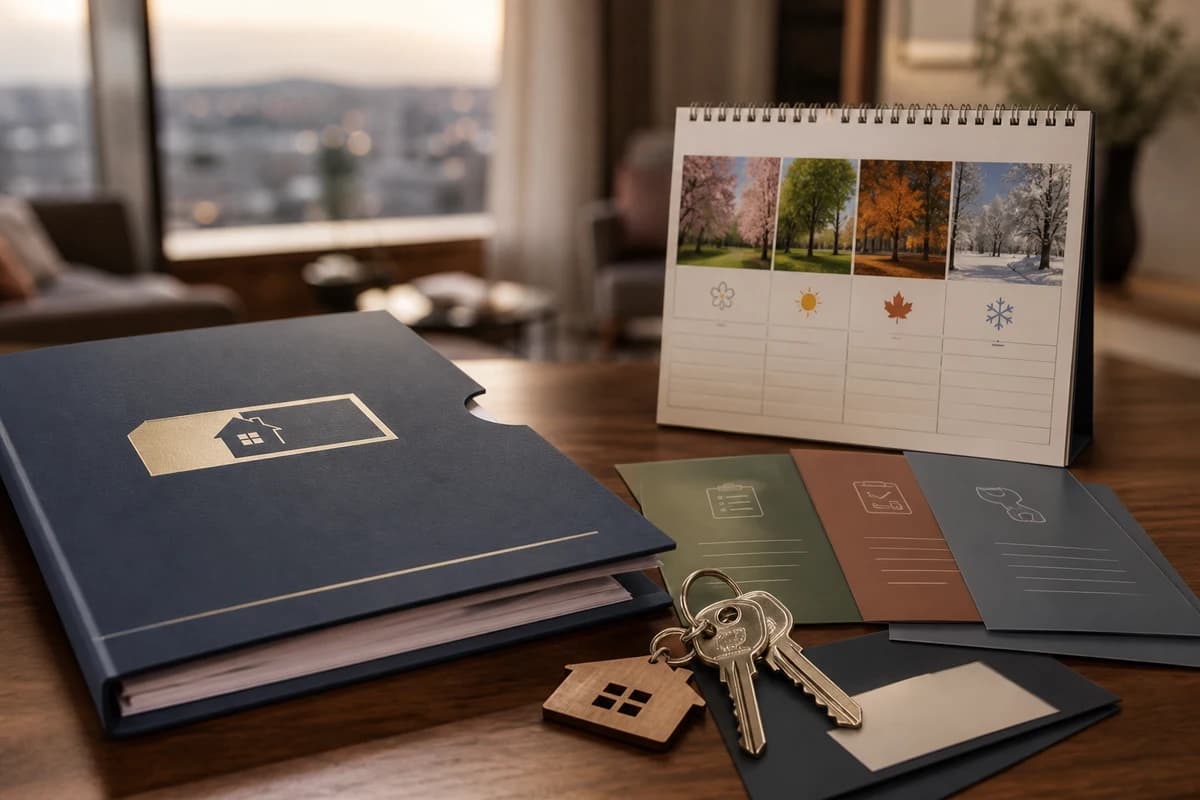
Before you sign a maintenance agreement, confirm inclusions: visit frequency; MEP tasks; exterior and drainage checks; finish care methods; emergency rules; spare-part sourcing approach; photo reporting; and how variations or larger repairs are priced.
Confirm exclusions too — deep renovations, structural works, and major replacements should sit outside routine support and return to a scoped proposal. A honest package prevents "maintenance" from becoming unpaid project work.
Keep the handover folder with keys, warranties, and the first baseline inspection. That pack is the operating manual for every later visit.
When to brief HYMRO for Damascus aftercare
Brief HYMRO when the property is newly renovated or fitted out, when occupancy is seasonal, when several family members share decisions, or when you want scheduled care instead of reactive call-outs. Share address, property type, handover date, known systems, and preferred reporting language.
Start through contact with photos of plant rooms and wet areas if available. That lets the first proposal describe real Damascus support — not a generic cleaning package labelled as maintenance.