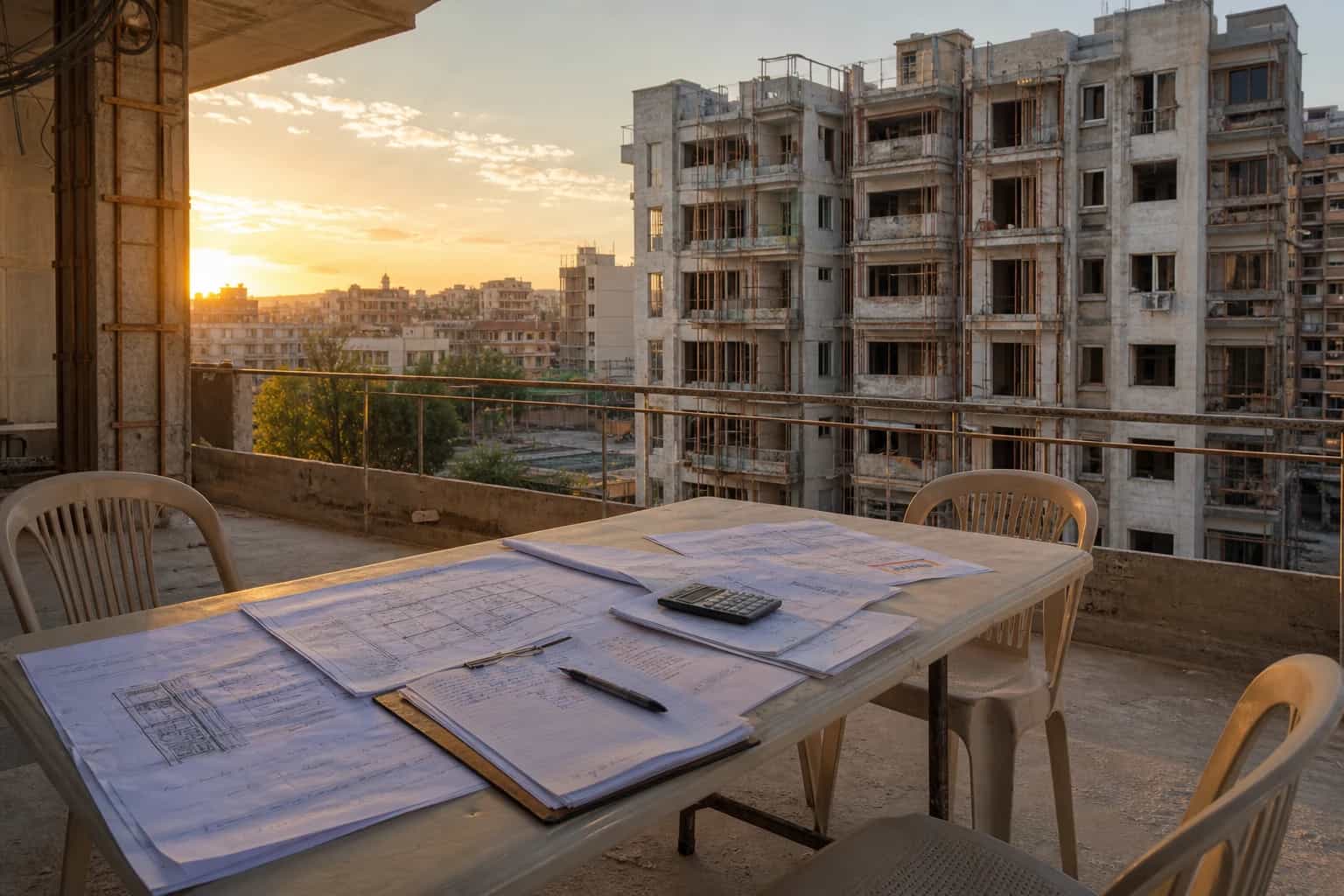

Why do construction change orders in Syria usually start as verbal extras?
Budget surprises rarely start as a new invoice. They start as a walk-through comment, a family visit, or a WhatsApp photo with "can we just move this wall?" If construction management treats that message as instruction, site supervision will execute it — and the cost appears weeks later, bundled into a progress claim the owner never authorised as extra work.
Construction change orders Syria programmes can trust are written before the extra labour or materials move. Cause, drawings or samples, time effect, and cost effect sit on one page. Defects that fail the original brief are not change orders; they are corrections. Mixing the two is how a fair contractor looks expensive and a vague contractor looks cheap until handover.
HYMRO prices extras inside project management in Syria — against a frozen baseline, not against memory of what was "probably included".
Where do budget surprises sit in construction management?
Most overruns are not mystery inflation. They are unpriced scope: a wet room moved after first-fix, stone upgraded after samples were already ordered, an opening widened after structure was closed, or a lighting package expanded after ceilings were boarded. Construction management that only tracks the original lump sum will miss those lines until they compound.
A second surprise pattern is programme delay sold as "still the same price". Extra weeks of scaffolding, protection, and trade remobilisation have a cost even when the drawing change looks small. If the change-order form has no time column, the budget is incomplete.
The third pattern is authority drift. Two relatives instruct two trades. Site supervision follows the last voice on site. The owner abroad discovers the spend when the next payment gate arrives. Written change orders name one authorised requester and one commercial response — not a group chat.
Why must site supervision pause before extras start?
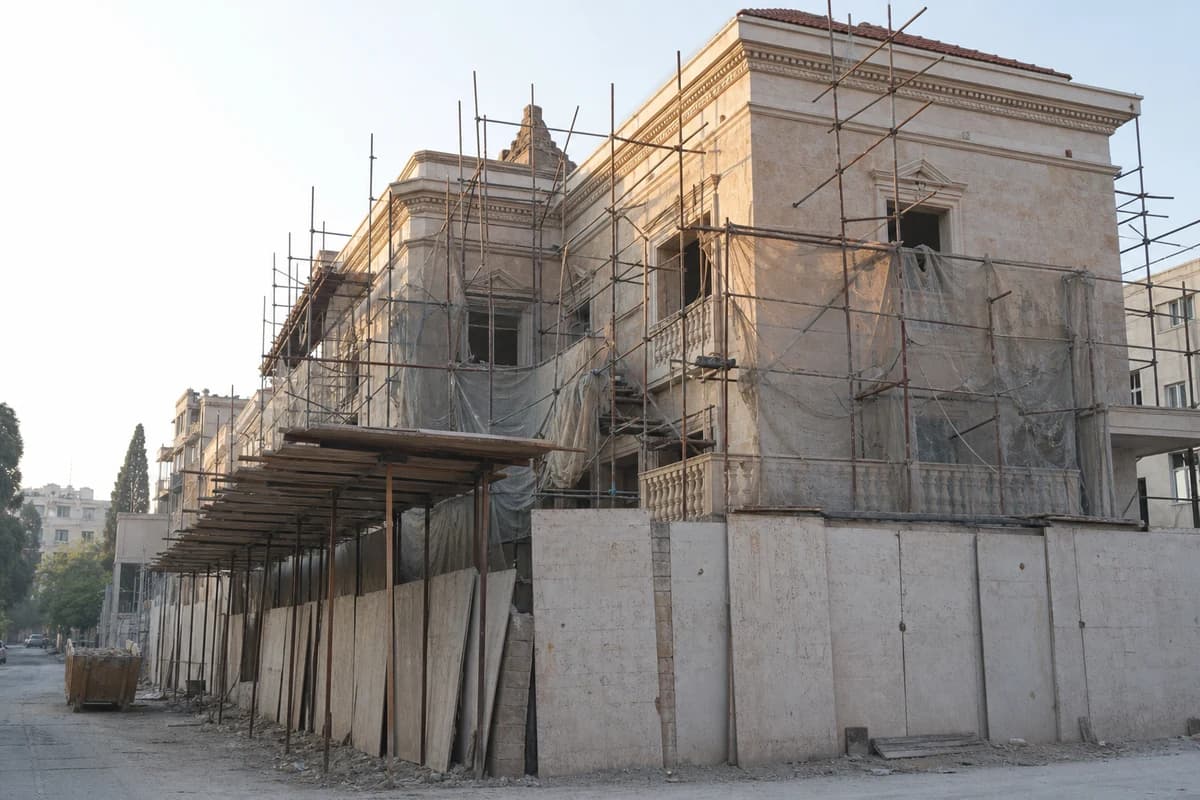
Site supervision is the last cheap control point. Once plaster, waterproofing, or joinery follows an informal change, reversing it costs more than writing the order would have. Supervisors should stop conflicting trades, photograph the existing condition, and refuse to proceed until the change is priced or formally declined.
That pause feels slow on a live Damascus site. It is faster than a dispute. Emergency protective work — making a leaking stack safe, securing an opening — can start under a written exception, with the commercial order following the same day. Everyday upgrades do not qualify as emergencies.
This pause sits inside HYMRO's construction process: survey and baseline, hold points before cover-up, then authorised changes only — so supervision evidence matches the money trail.
How do you anchor every extra to the scope of work?
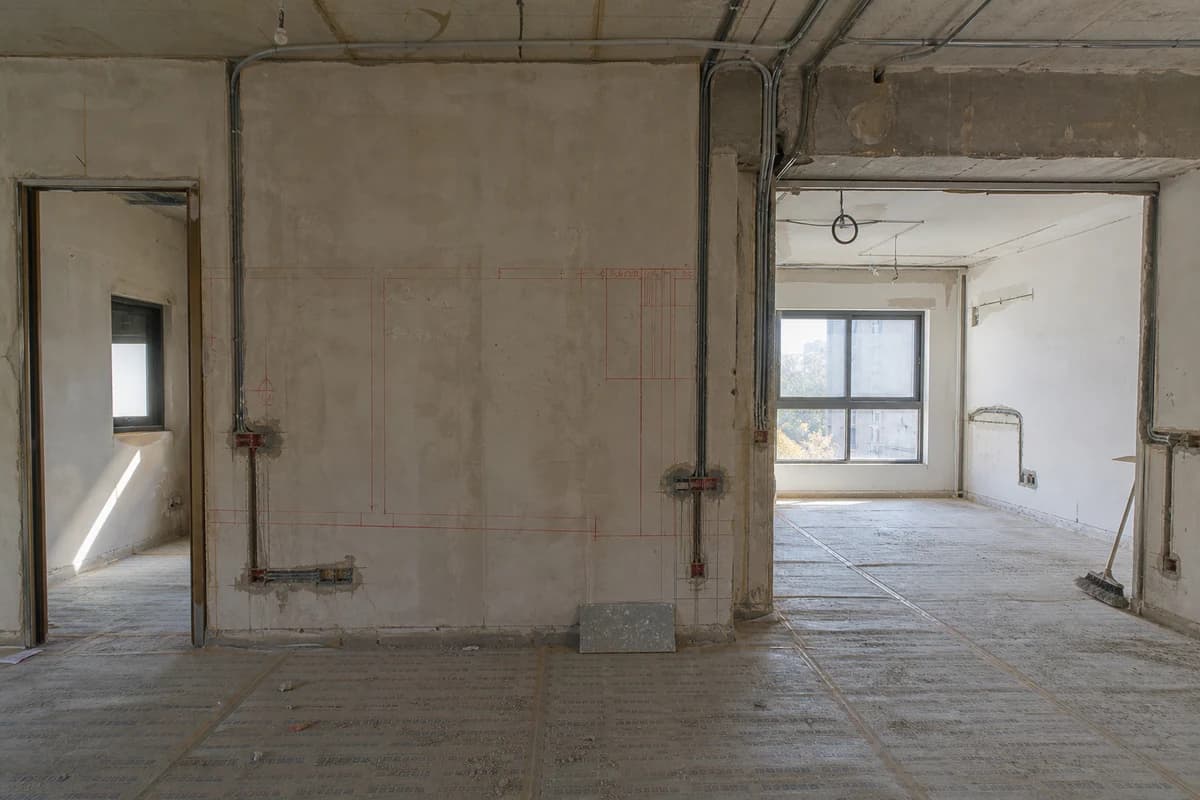
A change order only has meaning against a measurable scope of work. If the baseline never named finish grades, MEP packages, or exclusions, every chat becomes a negotiation. Fix the baseline first; then number each extra as an add, omit, or redesign against that document revision.
Use a controlled construction scope of work as the backbone. Provisional sums should be labelled as such. Sample upgrades should replace a named allowance, not float as "better finishes" with no delta.
When the extra also shifts the calendar, update the staged programme — the same discipline as a construction timeline in Damascus — so owners see time and money together, not a silent slip toward handover.
What five steps must happen before extra work starts?
Step 1 — Capture the request with a date, requester, and photo or sketch of the existing condition. Step 2 — Classify it: defect against the original brief, owner-driven extra, or site-discovered constraint. Step 3 — Price labour, materials, preliminaries, and time in writing. Step 4 — Obtain one authorised signature or dated written approval. Step 5 — Issue a change ID that site supervision and the next payment certificate must cite.
Do not start fabrication or demolition between steps 3 and 4 unless the written emergency exception applies. Do not bury the extra inside "miscellaneous" on a progress invoice. Do not let sample boards replace a cost line.
For the register-and-file discipline after an extra is approved, see construction variation orders in Syria — that guide is the paper trail; this one is how you stop the surprise before the trail is needed.
What must project handover still show after extras?

Project handover is where informal extras become unprovable. The pack should include the baseline scope revision, a numbered change-order register, closed cost and time effects, as-built notes for anything that diverged, and photo hold points that match each authorised extra.
If a change was declined, keep the decline on file. Future visitors will re-raise the same idea; the record prevents paying for it twice in conversation. Warranties and snag lists should reference the as-built condition, not the original mood board.
Residential programmes that absorb several extras — such as a Damascus villa restoration — stay auditable when every layout or finish shift is filed before concealment, not reconstructed at keys handover.
Change-order terms in plain language
Change order: a priced, dated instruction to add, omit, or redesign work after the baseline is approved. Defect: work that fails the original brief — it is a correction, not an extra. Hold point: a pause for inspection before the next layer covers the change. Verbal WhatsApp extras are not change orders.
How do owners abroad keep budget surprises off the next invoice?
Remote owners should receive bilingual change packs: existing photo, proposed drawing or sample, cost, time, and a clear approve-or-decline action. Voice notes are useful for context; they are not authorisation. Group family comments into one weekly decision window so site supervision is not reversing work mid-week.
Align that rhythm through HYMRO for overseas Syrians, then send your current scope, known extras, and target handover date via contact so the first proposal includes a change-control method — not a headline price that cannot survive the first site visit.