What makes home renovation Damascus succeed before the first wall comes down?
Home renovation Damascus succeeds when you freeze four decisions before demolition: a written survey of structure and moisture risks, an MEP and wet-room sequence, finish allowances with grades locked, and milestone payments tied to photo hold points — not a lump-sum WhatsApp quote that collapses the moment walls open.
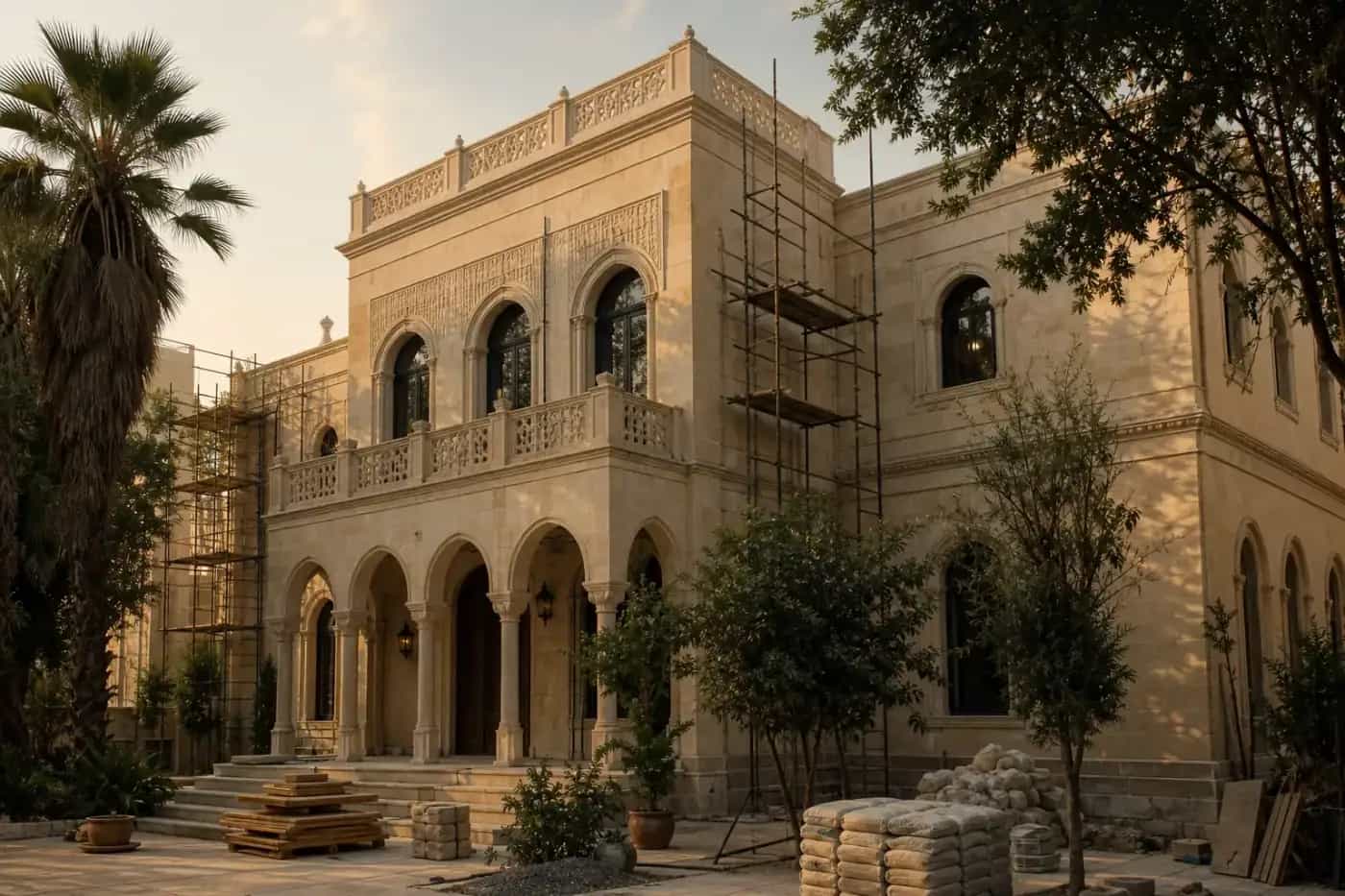
Damascus stock is mixed: mid-rise apartments in denser districts, family flats with shared risers, and villas or courtyard houses in established neighbourhoods where older MEP and stone finishes dominate. The same headline price means little until those building types are surveyed and allowances are aligned.
HYMRO runs that freeze on residential projects and luxury renovations so owners — on site or abroad — approve sequence before strip-out starts.
How a renovation company should survey your Damascus property
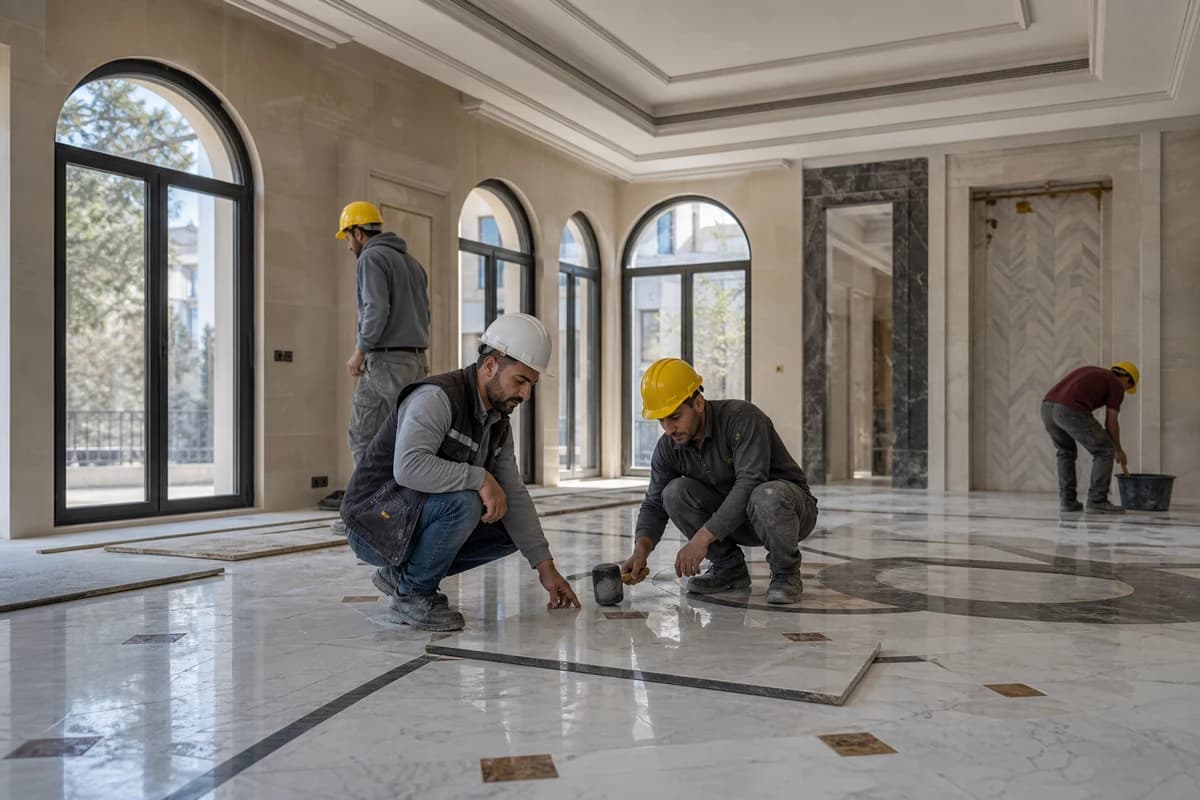
A renovation company earns trust by walking the building type you actually own, not by recycling a generic apartment finishing checklist. Note riser locations, bathroom stack constraints, balcony waterproofing, and whether marble or terrazzo will be retained. Ask who photographs hold points and who signs each gate.
Overseas owners should insist on the same survey pack used for local clients: dated photos, marked risks, and a draft scope with exclusions. Vague "full renovation" language is how budgets drift before a renovation contractor mobilises.
If you will approve from abroad, pair the survey with HYMRO's renovate from abroad path so WhatsApp updates sit beside written milestones, not instead of them.
Step-by-step home renovation phases with photo hold points
Phase 1 — Survey and concept: walk the property, record structural and moisture risks, and agree a concept layout. Photograph existing MEP and wet rooms before anything is stripped.
Phase 2 — Scoped freeze: lock material allowances, MEP assumptions, lead-time notes, and a phased payment map. Overseas clients should approve this document before any deposit moves.
Phase 3 — Demolition and first-fix MEP: strip-out, openings if required, and rough electrical, plumbing, and HVAC. Hold payment until dated photos of opened walls and first-fix routes are filed — disputes about what sat behind finishes are expensive later.
Phase 4 — Wet rooms and second fix: waterproofing, tiling, plaster, flooring, joinery, kitchens, and lighting. Snag lists start here. Owners comparing apartment programmes can cross-check sequence against our apartment fit-out Damascus guide; villa stock needs the heavier envelope and stone path in villa renovation Damascus.
Phase 5 — Handover: final walkthrough, snag closure, and as-built notes for stone, wood, and mechanical systems. Do not treat "almost finished" as a payment gate.
Apartment finishing and wet rooms that protect the budget
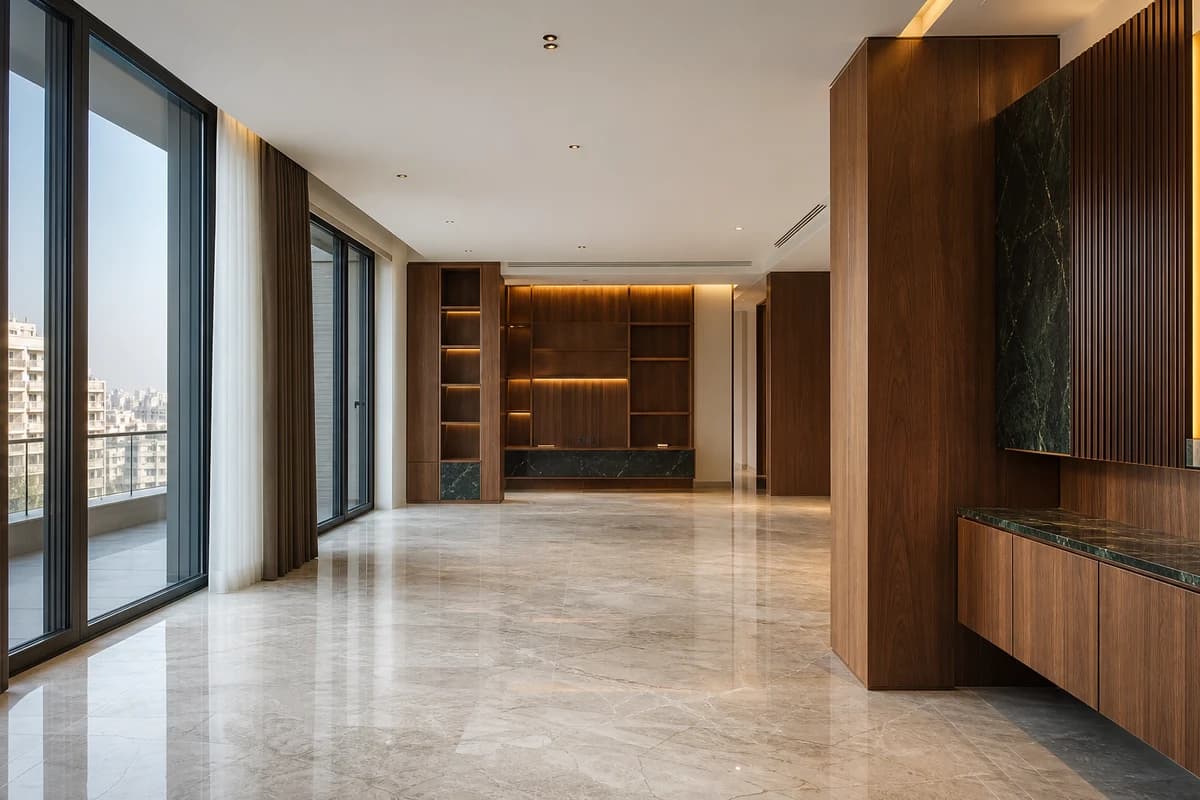
Apartment finishing allowances compound quickly — flooring grades and laying patterns alone can absorb a large share if left open. Lock vanity, kitchen, and joinery packages before chasing decorative extras.
Prioritise wet rooms and MEP first: failed waterproofing or undersized circuits are costly after marble and cabinetry are in. Allocate money to work that is hard to reverse once finishes close.
When quotes disagree on electrical or plumbing depth, read them against HYMRO's electrical and plumbing upgrade notes so you are comparing the same MEP scope — not two unfinished stories.
What your renovation contractor must document on site
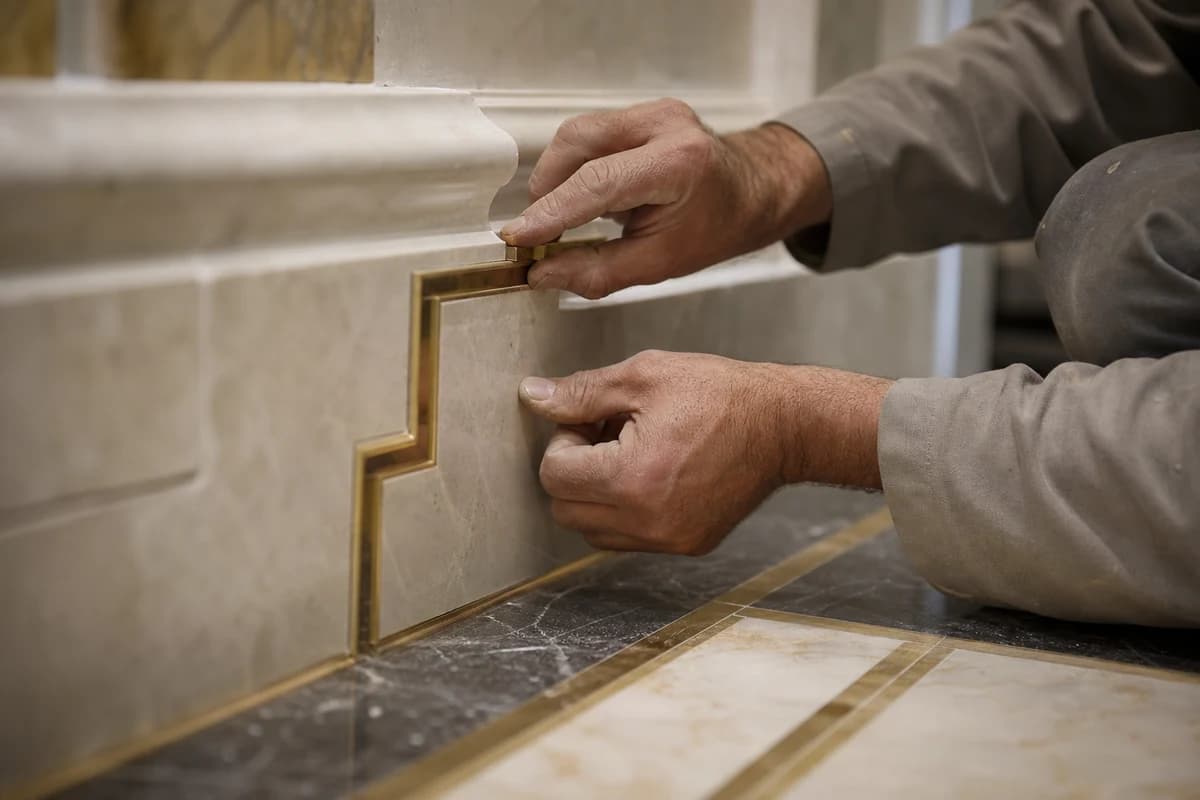
Your renovation contractor should coordinate licensed trades, daily site discipline, and structured inspections — not only pass materials to subcontractors. Ask how snags are logged, who signs each milestone, and how delays are written before work continues.
Transparent contractors price variations in writing with cost and time impact. Verbal extras are where home renovation budgets drift fastest in Damascus.
For premium stone and joinery, expect sample boards or room corners approved before full installation. That discipline is visible on HYMRO's Damascus villa restoration — a verified residential programme where hold points and finish grades decided the outcome.
Ready to enquire — send photos, plans, and your brief
Before you move back in, walk every room with the snag list open: doors, drawers, sockets, HVAC modes, and water pressure at every outlet. Photograph unresolved items with agreed closure dates, and store warranties where diaspora family members can reach them.
When you are ready, message HYMRO on WhatsApp or send a contact enquiry with property photos, any plans you hold, and a short brief (villa or apartment, rooms in scope, and whether you are abroad). We outline milestones and material allowances for luxury renovations and residential projects in Damascus — usually within one business day of a clear brief.